
Most people overthink this. They spend weeks researching equipment, get paralysed by options, and either buy the wrong thing or buy nothing at all. So let's keep it grounded.
Strength training equipment hasn't changed that much in decades. A barbell, some plates, a rack, and a bench will take you further than any machine ever will. The question isn't really what to buy — it's which version of the right things suits your space, your budget, and how you actually train.
Here's how to think through it.
Start With the Barbell. Everything Else Follows.
If you're serious about getting strong, the barbell is the centre of your setup. Squats, deadlifts, bench press, overhead press, rows — the movements that produce the most strength and muscle mass are all barbell-based. This isn't opinion; it's what the research consistently shows.
A 2017 meta-analysis in the Journal of Strength and Conditioning Research confirmed that free weight compound movements produce superior strength and hypertrophy outcomes compared to machine-based training, largely due to greater neuromuscular recruitment and the involvement of stabilising muscles. (Schwanbeck et al., 2017)
So before you think about anything else, get a quality barbell. Our Olympic Barbell 20kg is the standard for good reason — it's the right length, the right weight, and built to handle serious loads over the long term. If you're just starting out or training with lighter loads, the 10kg Training Bar is a practical entry point.
Don't Forget Collars
It sounds minor until a plate slides mid-set. Our Magnetic Barbell Locking Collars are fast to clip on and hold firmly — the kind of thing you'll use every single session without thinking about it. Also worth having: Olympic Locking Collars for heavier barbell work where you want maximum security.
Plates: Bumpers or Iron?
This depends on what you're doing. If your training includes Olympic lifting, deadlifts from the floor, or any movement where the bar might come down fast, bumper plates are the right call — they're designed to absorb impact and protect both the bar and your floor.
Our Bumper Plate sets are available in multiple configurations depending on where you're starting. The Coloured 70kg Set is a popular starting point for home gyms — enough to run a solid program, with colour coding that makes loading faster. For facilities that need to track plates across multiple stations, colour coding is genuinely useful operationally.
If you're doing primarily bench press and accessory work where the bar isn't dropping, standard iron plates are fine and usually cheaper per kilogram. For progressive overload with small jumps, our 0.5kg Fractional Plates are worth having — they let you add load in increments that are actually manageable, which matters more than most people realise when you're trying to add weight to a lift every week.
Keep Your Plates Organised
A Weight Plate Tree keeps your floor clear and your plates accessible. In a commercial setting this is non-negotiable — plates left on the floor are a trip hazard and a maintenance headache.
The Rack Question
This is where most people spend the most time deliberating, and it's worth getting right because a rack is a long-term purchase.
Full Power Racks
A full power rack is the safest and most versatile option for barbell training. The four-post design with spotter arms means you can squat and bench press to failure without a training partner — which is a big deal for home gym users and for commercial facilities that want members to train independently.
Our H-Series Power Rack-1 is the entry point in the range, and it's a solid one. The H-Series Power Rack-2 and H-Series Power Rack-3 step up in terms of weight capacity, attachment compatibility, and overall build quality — worth the investment for commercial environments or serious home setups where the rack will be used daily. If you want sling training built in from the start, the H-Series Power Rack-1 W/Slings adds that without needing a separate attachment.
Research from the European Journal of Sport Science found that free squat training in a rack produced significantly greater improvements in functional strength and athletic performance compared to Smith machine squatting — reinforcing why a proper rack is worth the investment over a guided machine. (Wirth et al., 2016)
Half Racks
If floor space is tight, a half rack is a legitimate compromise. You lose the rear uprights but keep the J-hooks and spotter arms for squatting and pressing. Our HR Series Half Rack 1 and HR Series Half Rack 3 are worth a look if you're working with a single garage bay or a smaller commercial footprint.
Squat Stands
For those who want maximum flexibility and minimal footprint, the Independent Squat Stands with Joiner can be positioned to suit your space and stored away when not in use. Less safe than a full rack for solo training, but a practical option for coached environments or experienced lifters who know their limits.
Dumbbells: More Useful Than People Give Them Credit For
Dumbbells get underrated in strength training circles because they're associated with light accessory work. But unilateral dumbbell training — single-arm pressing, rows, lunges — produces meaningful strength and hypertrophy gains while also addressing the left-right imbalances that barbell training can mask.
A study in the Journal of Human Kinetics found that unilateral resistance training produced comparable strength gains to bilateral training, with the added benefit of greater core activation and improved balance. (Saeterbakken et al., 2011)
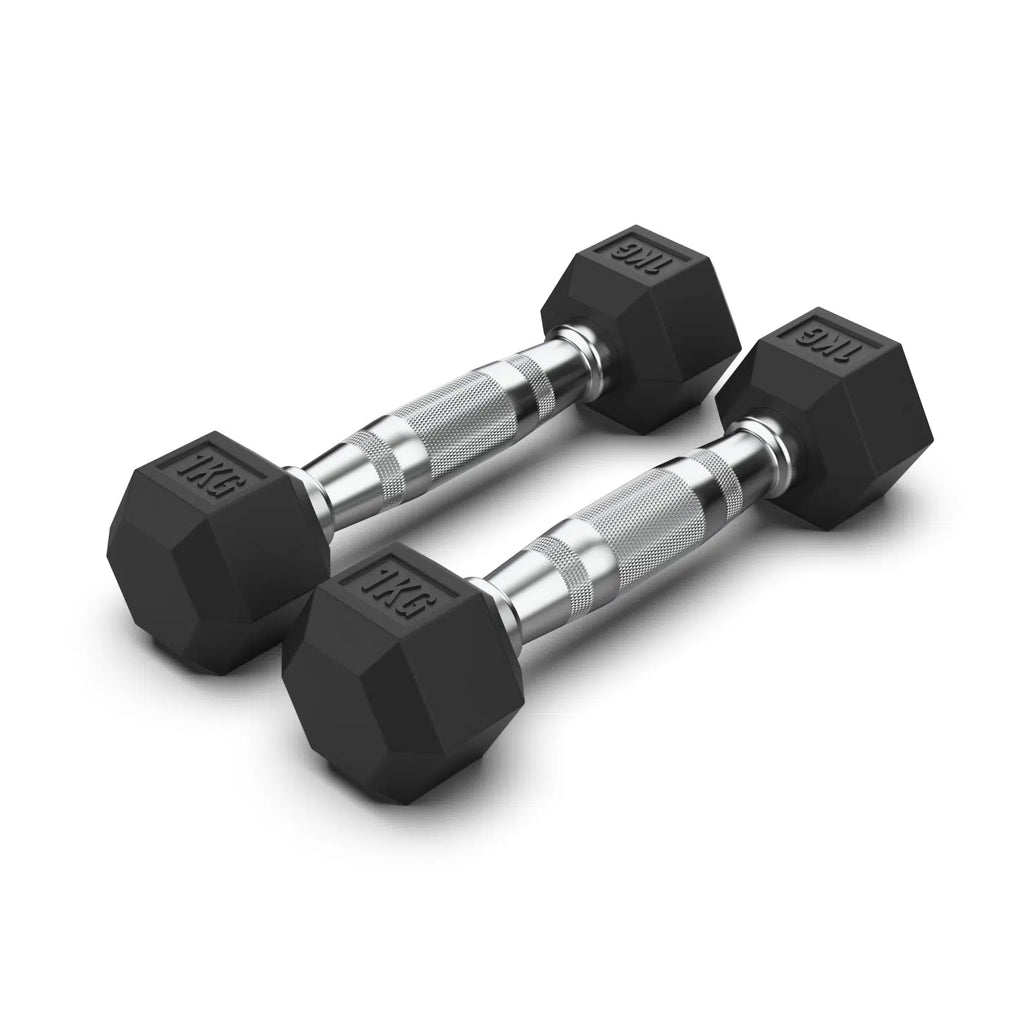
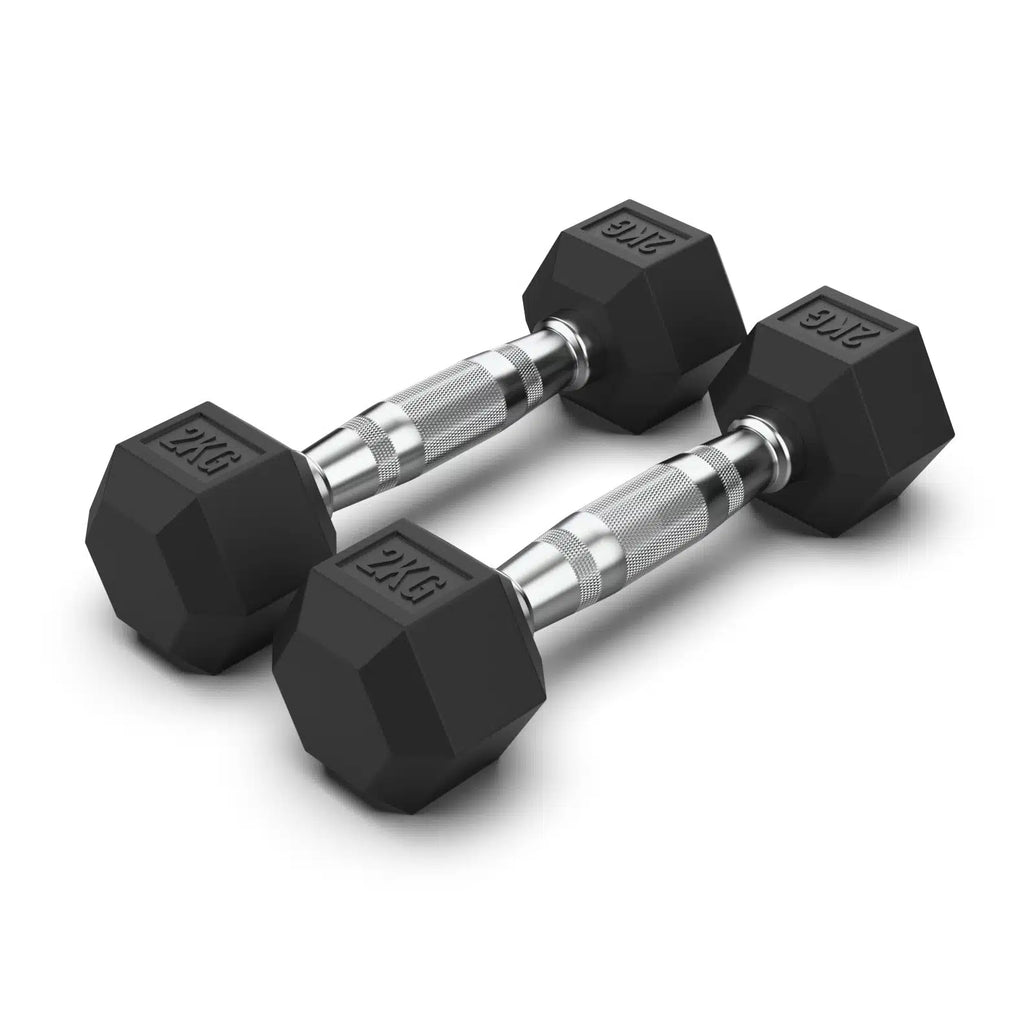
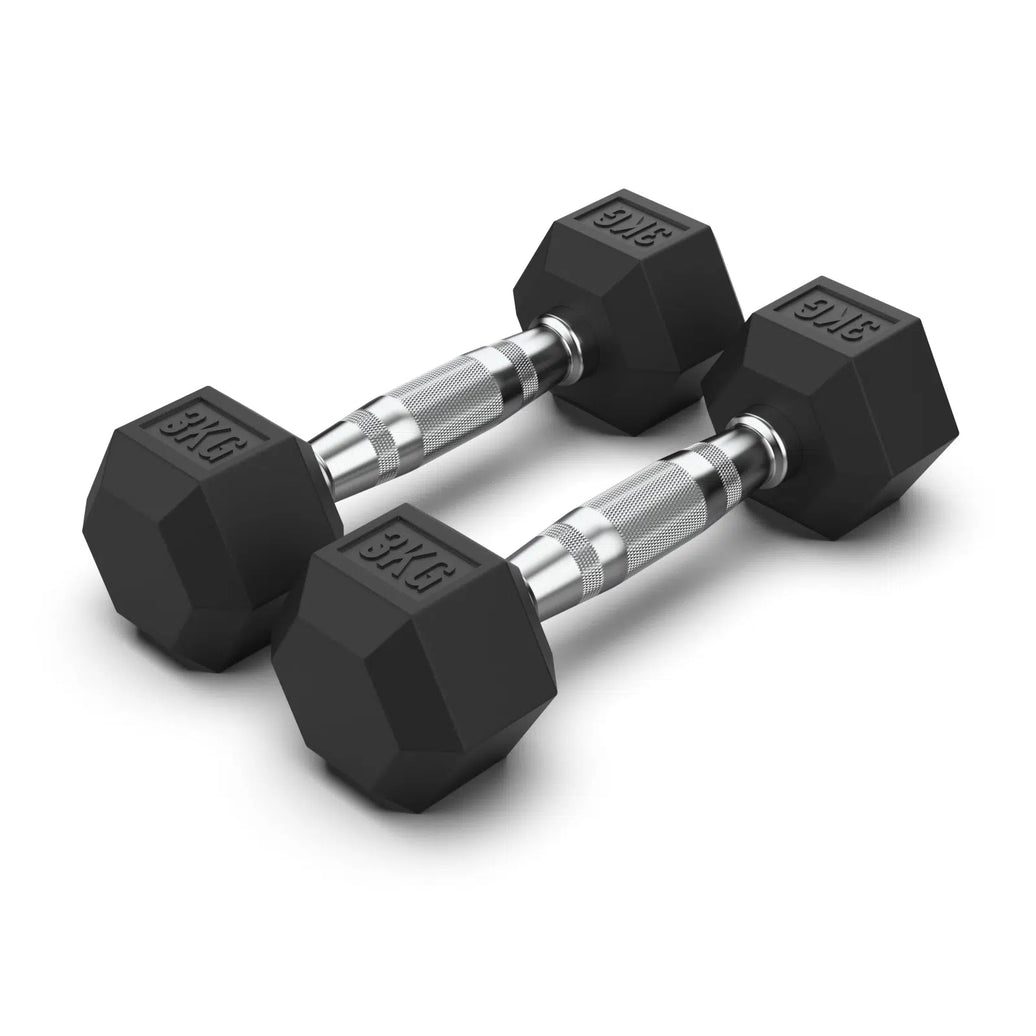
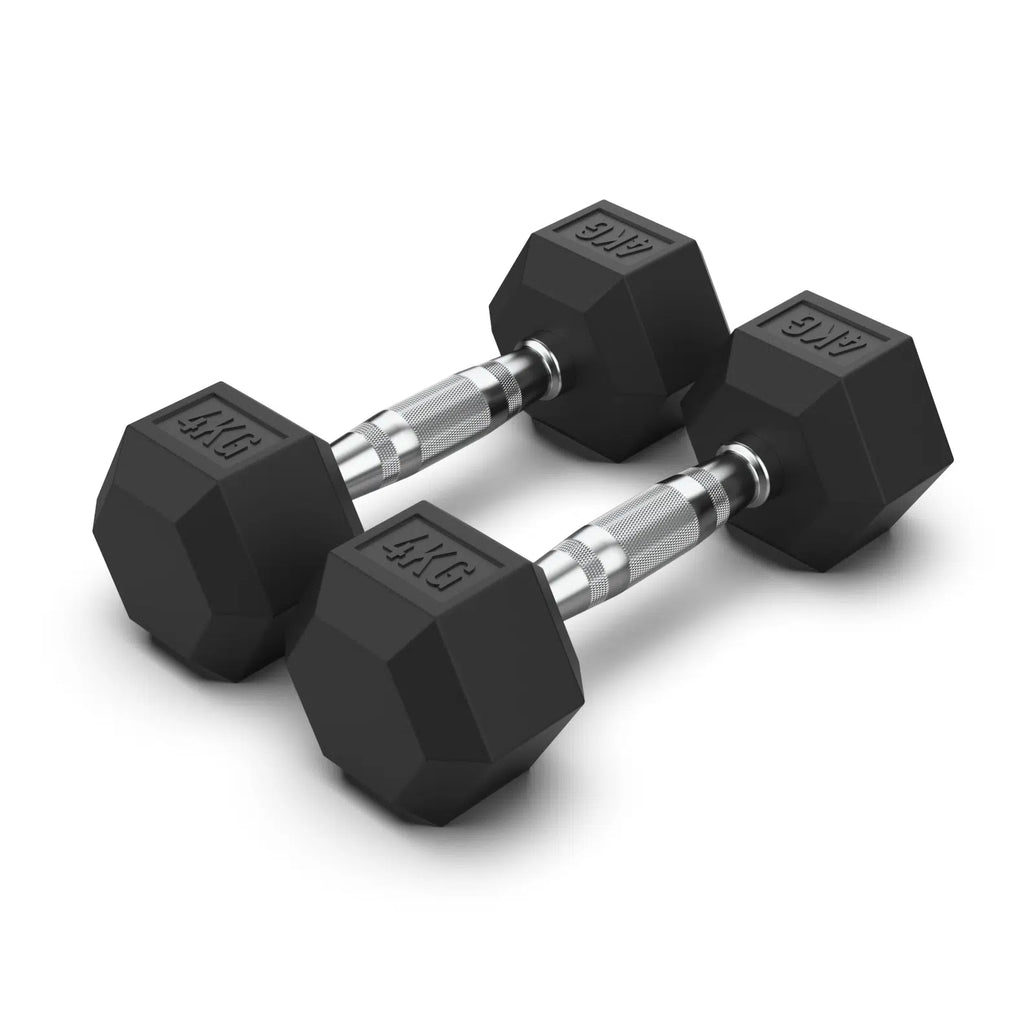
For home gyms, our 5–35kg Rubber Hex Dumbbell Set with Stand covers the full range you'd need for most training programs. For commercial facilities, individual pairs like the 20kg and 50kg pairs let you build out a rack incrementally. A Commercial 2-Tier Dumbbell Rack keeps everything organised and accessible on the gym floor.
Cable Machines and Functional Trainers
Once you've got the barbell basics covered, a cable machine opens up a lot of training variety — particularly for isolation work, pulling movements, and exercises that are difficult to load effectively with free weights alone.
The H-Series Functional Trainer is a dual-cable setup that handles everything from lat pulldowns and cable rows to tricep pushdowns and face pulls. For facilities that want a single machine to cover a wide range of movements, this is a strong option.
If you want a more comprehensive all-in-one solution, the MF900S Multi Functional Trainer / Smith Machine combines a Smith machine with a functional trainer — useful in commercial environments where floor space is at a premium and you need one piece of equipment to serve multiple training styles.
The Functional Trainer 6 Series is another solid option for facilities that want a dedicated cable station without the Smith machine component.
Cable Attachments
A cable machine is only as versatile as its attachments. Our 5 Piece Attachment Set covers the essentials — straight bar, rope, stirrups, and more. Individual attachments like the Tricep Rope, V-Bar, and Aluminium Stirrup Pair let you build out your attachment collection over time.
Accessories That Actually Matter
Resistance Bands
Bands are one of those things that look like a gimmick until you start using them properly. For strength training specifically, banded pull-up assistance is one of the most effective ways to build towards unassisted pull-ups — and banded variations of squats and deadlifts add accommodating resistance that changes the strength curve of the movement.
Our Chin-Up/Pull-Up Assist Band Set is a practical starting point, and individual bands in 20mm and 35mm widths give you options for different levels of assistance and resistance.
Barbell Jacks
If you're deadlifting regularly, a barbell jack saves your lower back before you even start lifting. Loading and unloading a bar from the floor without one is unnecessary wear. Our Single Barbell Jack and Double Deadlift Jack are simple tools that make a real difference to your setup workflow.
Building Your Setup: A Practical Order of Operations
If you're starting from scratch, here's a sensible order to build in — based on what gives you the most training capability at each stage.
Start with a barbell, a set of bumper plates, and collars. That alone covers deadlifts, rows, overhead press, and floor press. Add a rack next — this unlocks squats and bench press, which are the two movements most people are missing without one. Then a bench, which pairs with the rack for pressing. From there, dumbbells for accessory work, and a cable machine when you want more variety.
Don't try to buy everything at once. A well-chosen barbell and rack setup will take you further than a room full of mediocre equipment.
What the Research Says About Getting Strong
Progressive Overload Is the Only Thing That Matters
Every credible study on strength development points to the same principle: progressive overload. Adding load, volume, or intensity over time is what drives adaptation. The equipment you choose needs to support this — which is why adjustable loads (barbells, dumbbells, cable stacks) outperform fixed-resistance machines for long-term progress.
A comprehensive review in Sports Medicine confirmed that progressive resistance training is the primary driver of both strength and hypertrophy, regardless of the specific program used. (Schoenfeld, 2017)
Frequency Matters More Than Most People Think
Training a muscle group twice per week produces better results than once per week at the same total volume — this is well established in the literature. (Schoenfeld et al., 2016) A versatile setup that lets you hit the same movement patterns across multiple sessions — barbell one day, dumbbells the next — supports this without needing to repeat the exact same session.
Frequently Asked Questions
Do I need a Smith machine if I train alone?
A power rack with spotter arms is a safer and more effective option for solo training than a Smith machine. The guided bar path of a Smith machine reduces stabiliser muscle activation and limits the natural movement arc of exercises like squats and bench press. If you want both, the MF900S combines a Smith machine with a functional trainer, which is a reasonable compromise in a commercial setting.
How much weight do I need to start?
More than you think, less than you'll eventually want. A 70–100kg bumper plate set is a practical starting point for most people. You'll outgrow it eventually, but it covers the first year or two of serious training for most lifters.
Is a half rack good enough for a home gym?
For most home gym users, yes — especially if space is limited. The main limitation is that you can't safely bench press to failure without spotter arms at the right height. Check the specs of any half rack you're considering to confirm spotter arm compatibility.
What's the difference between the H-Series rack models?
The H-Series racks step up in weight capacity, uprights gauge, and attachment compatibility as you move through the range. The Rack-1 is the entry point, the Rack-2 adds capacity and rigidity, and the Rack-3 is the commercial-grade top of the range. If you're in a commercial facility or training seriously at home, the Rack-2 or Rack-3 is worth the step up.
Come and See Us
We're based in Brisbane and we know this equipment firsthand. If you want to talk through what makes sense for your space and training goals, get in touch or browse our full strength equipment range. We'll give you a straight answer.