
If you've spent any time researching gym equipment, you already know how quickly it gets overwhelming. Weight benches alone come in a dozen variations, and the difference between a good one and a bad one isn't always obvious from a product photo. This guide cuts through the noise.
Whether you're building a home gym in Brisbane's suburbs or kitting out a commercial facility, here's what actually matters when choosing a weight bench — and how to get the most out of it.
Why the Right Bench Makes a Bigger Difference Than You Think
A bench isn't just something to lie on. It's the foundation for a huge chunk of your upper body training — pressing movements, dumbbell work, supported rows, tricep dips, step-ups. If it wobbles, has poor padding, or doesn't adjust properly, it affects every single one of those movements.
Research published in the Journal of Strength and Conditioning Research found that bench angle significantly affects muscle activation across the chest, shoulders, and triceps — meaning a bench that can't hold a stable incline position isn't just annoying, it's limiting your results. (Barnett et al., 2010)
Types of Weight Benches — What's Actually the Difference?
Flat Benches
Simple, sturdy, and often underrated. A flat bench is ideal if your training is barbell-heavy and you're working within a power rack setup. There's no adjustment mechanism to wear out, which makes them a solid long-term choice for commercial environments where equipment takes a beating.
The trade-off is versatility — you're locked into flat pressing and a handful of accessory movements.
FID Benches (Flat, Incline, Decline)
This is where most people land, and for good reason. An FID bench covers the full range of pressing angles, which means you can hit upper chest with incline work, flat for overall mass, and decline if that's part of your programming.
Our Weight Bench FID is a solid entry point for home gym setups — it handles the full range of angles without taking up a lot of floor space.
Adjustable Commercial Benches
For commercial gyms or serious home setups, you want something built to a higher standard. Thicker padding, heavier gauge steel, and adjustment mechanisms that won't loosen up after a few months of daily use.
The Pro FTI V2 Adjustable Bench is our commercial-grade option — it's built for high-volume use and holds up in environments where the bench is being adjusted dozens of times a day. If you're running a PT studio or a commercial gym in Brisbane, this is the one to look at.
For those who want a step up from a standard FID without going full commercial, the Elite V2 Adjustable FTI Bench sits in the middle ground — more robust than a basic adjustable bench, without the commercial price tag.
Key Specs to Check Before You Buy
Weight Capacity
This one's obvious but often overlooked. Add your bodyweight to the weight you're lifting — that's the load your bench needs to handle. For commercial use, look for benches rated at 300kg+ to give yourself a real safety margin.
Pad Thickness and Density
Thicker isn't always better. A pad that's too soft will compress under load and reduce stability. You want firm, high-density foam — typically 5–8cm — that holds its shape over time. Cheap benches use low-density foam that flattens out within months.
Adjustment Mechanism
Ladder-style adjustments (the pop-pin type) are the most common and generally the most reliable. Avoid benches with adjustment systems that require tools or have a lot of play in them — they become a frustration quickly.
Footprint and Storage
Brisbane home gyms are often working with a single garage bay or a spare room. Measure your space before you buy, and check whether the bench can be stored upright. A few centimetres of difference in width can matter a lot in a tight setup.
Upholstery
Commercial vinyl holds up better than cheaper PU alternatives in high-sweat environments. If you're in a commercial setting, this matters more than it might seem — replacing bench upholstery is a real cost.
What the Research Says About Bench Training
Incline vs. Flat — Does Angle Actually Matter?
Yes, and the data is pretty clear on this. A 2020 study in the International Journal of Environmental Research and Public Health confirmed that incline pressing at 30–45° produces significantly greater upper pectoralis activation compared to flat pressing. (Rodríguez-Ridao et al., 2020)
This is why an FID bench earns its place in almost any setup — the ability to vary angle isn't just a nice-to-have, it's a meaningful training variable.
Free Weights vs. Machines for Chest Development
A study in the Journal of Human Kinetics found that free weight bench pressing produced greater muscle activation and stabiliser recruitment compared to machine-based pressing. (Saeterbakken & Fimland, 2013) This supports the case for investing in a quality bench and free weights over a chest press machine, particularly for home gyms where space and budget are finite.
Training Frequency and Volume
Meta-analysis data from Sports Medicine suggests that training a muscle group twice per week produces superior hypertrophy outcomes compared to once per week, at equal total volume. (Schoenfeld et al., 2016) A versatile bench setup makes it easier to hit chest, shoulders, and triceps across multiple sessions without needing a lot of equipment.
What to Pair With Your Weight Bench
A bench on its own is useful, but it really comes into its own when it's part of a broader setup. Here's what works well together.
Barbells and Weight Plates
If you're doing any barbell pressing, you need a quality bar. Our Olympic Barbell 20kg is the standard choice for bench pressing — it's the right length, the right weight, and built to handle serious loads. Pair it with fractional plates if you're running a linear progression program and want to make small, consistent jumps — our 0.5kg Fractional Plates are ideal for this.
Dumbbells
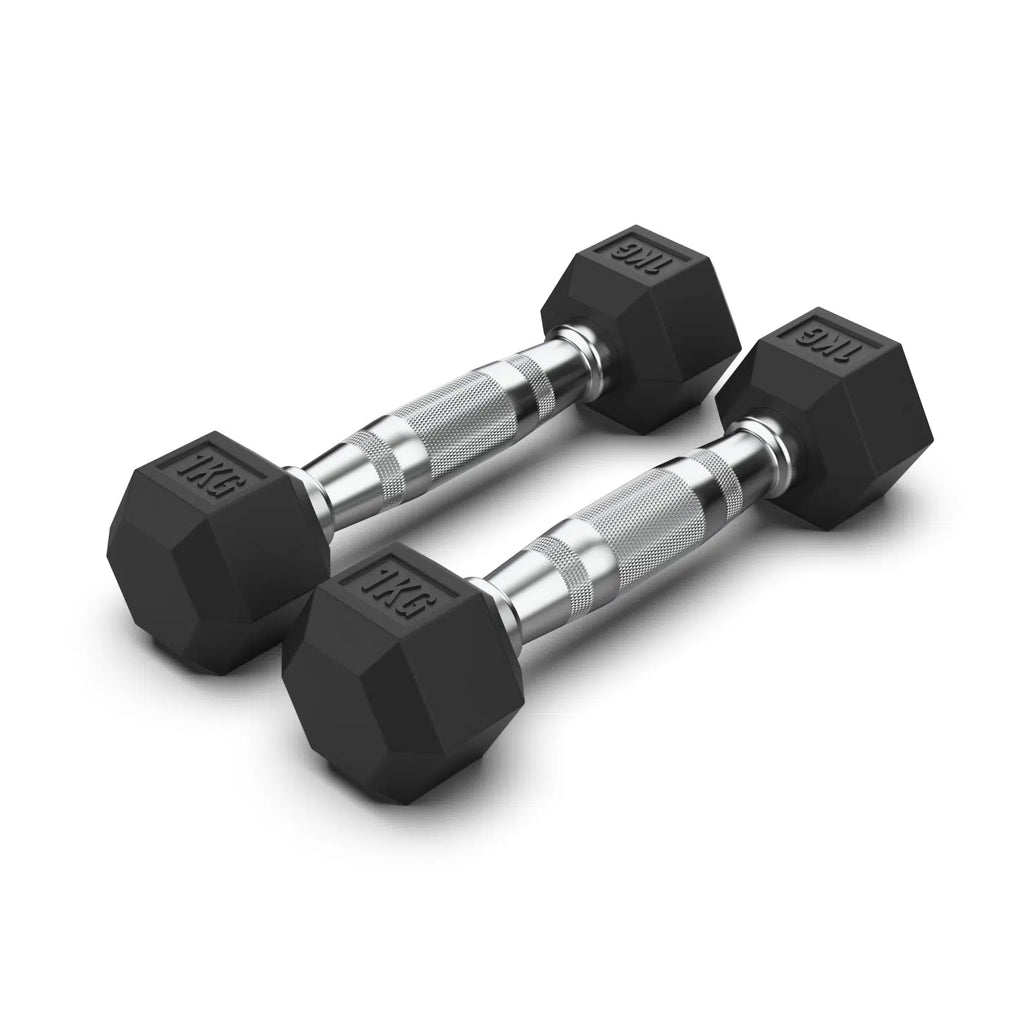
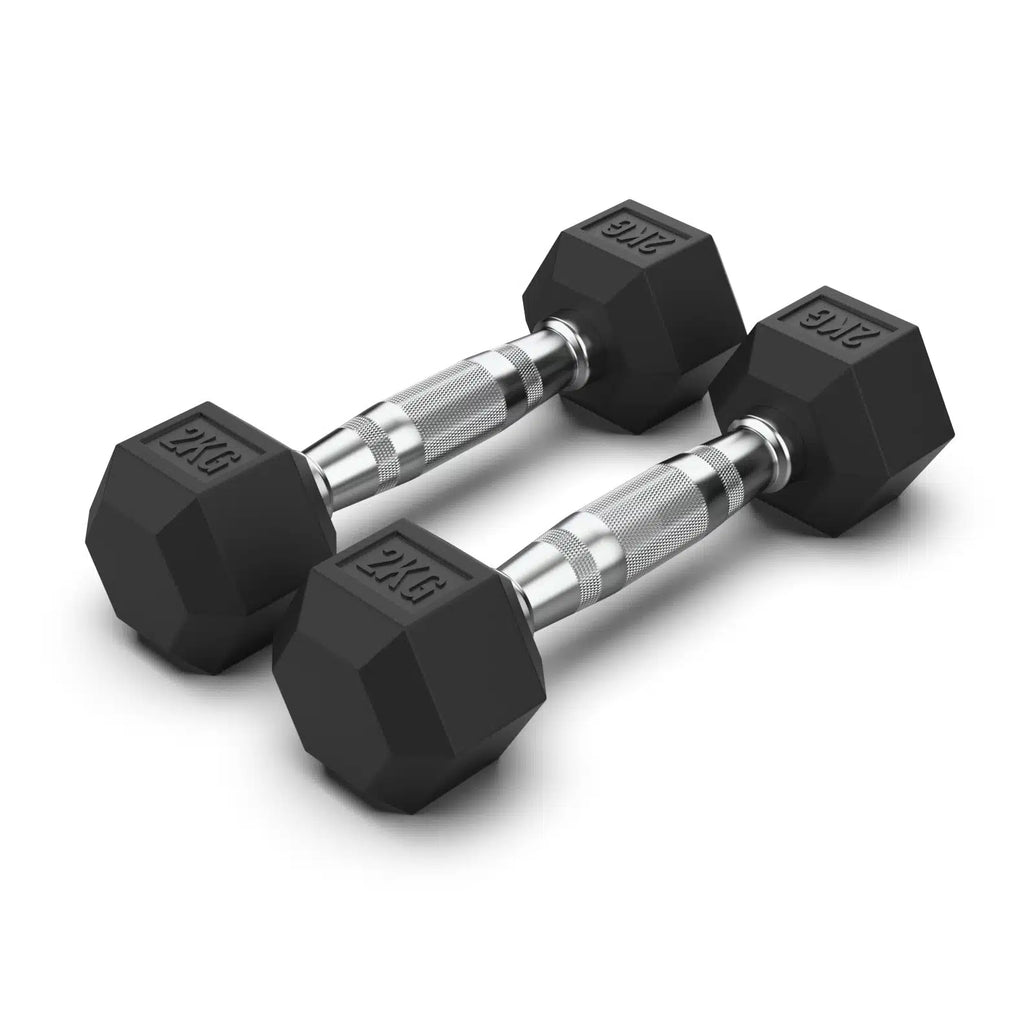
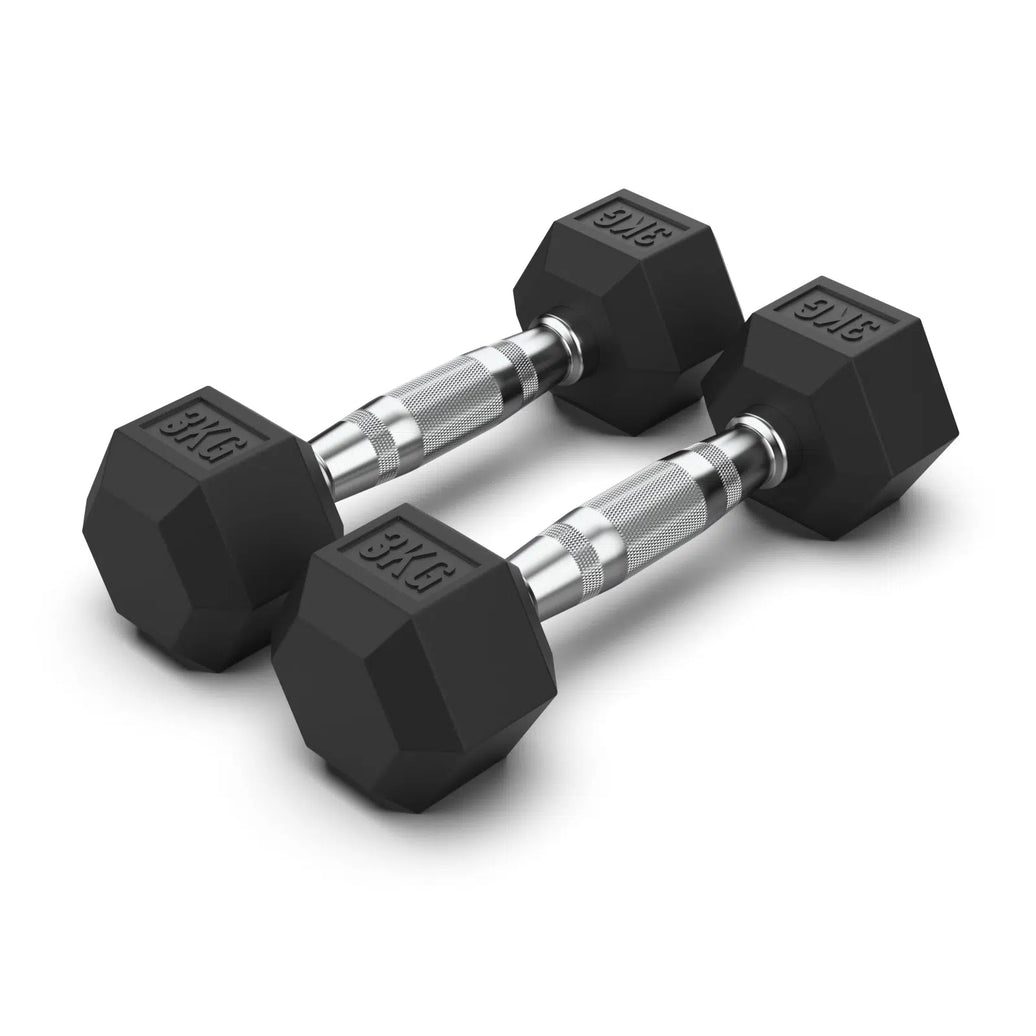
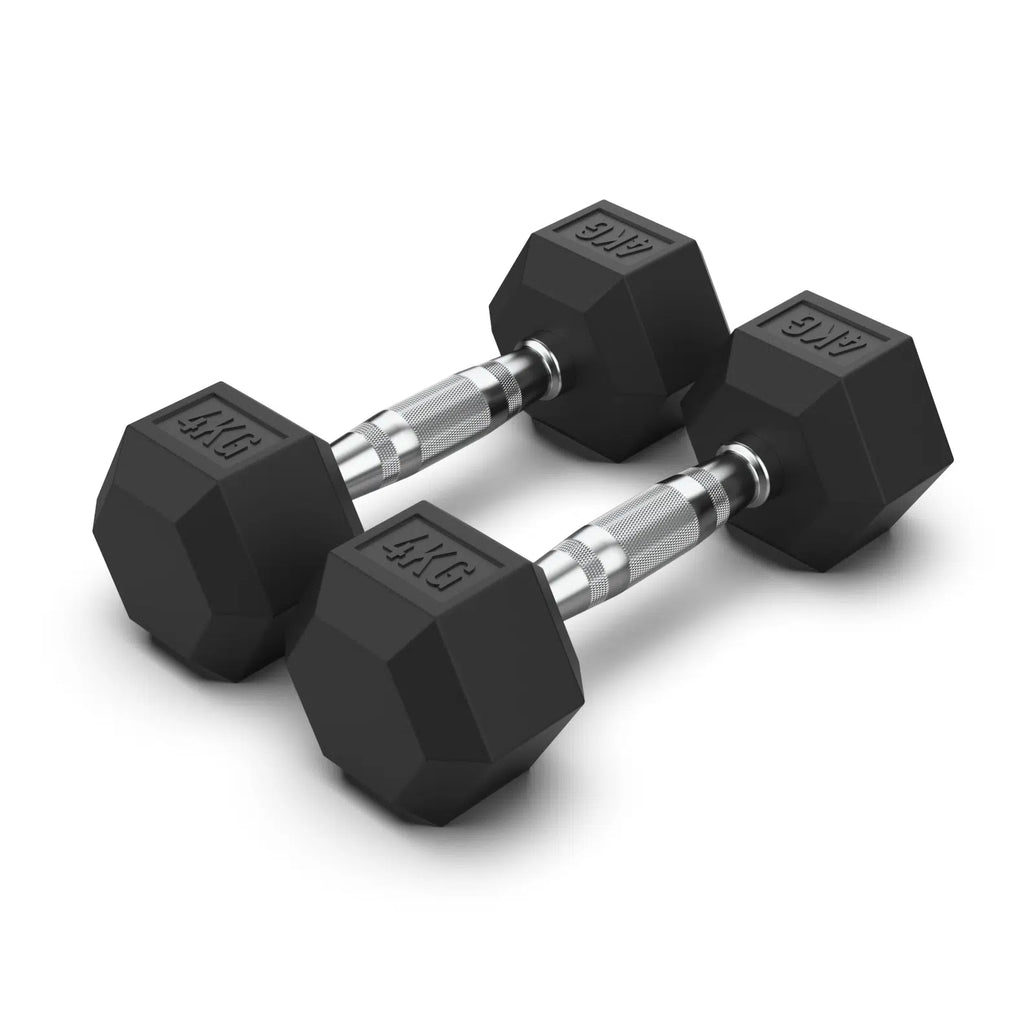
Dumbbell work on a bench is some of the most effective upper body training you can do — the greater range of motion compared to a barbell is a real advantage for chest development. Our 5–35kg Rubber Hex Dumbbell Set covers the full range you'd need for bench pressing, flyes, rows, and shoulder work.
Power Rack
If you're benching with a barbell, a power rack is the safe way to do it solo. Spotter arms mean you can train to failure without a training partner, which is a big deal for home gym users. Our H-Series Power Rack range is designed to work with a bench inside the rack — check the internal dimensions against your bench width before ordering.
Barbell Collars
Small thing, but important. Plates shifting mid-set on a bench press is a real safety issue. Our Magnetic Barbell Locking Collars are fast to use and hold firmly — worth having on every bar in your setup.
Home Gym vs. Commercial Gym — Different Priorities
For Home Gyms in Brisbane
Space efficiency matters. An FID bench that folds or stores upright is worth considering. You also want something that handles humidity well — Brisbane summers are no joke, and cheaper upholstery can degrade quickly in a non-climate-controlled garage.
Budget-wise, it's worth spending more on the bench than you think you need to. It's a piece of equipment you'll use for years, and a bench that wobbles or has a worn-out pad will quietly undermine every session.
For Commercial Facilities
Durability and ease of maintenance are the priorities. Look for commercial-rated weight capacity, replaceable upholstery, and a frame warranty. The Pro FTI V2 is built with this in mind — it's the bench you buy once and don't think about again.
For commercial setups, also think about how many benches you need relative to your floor plan. A common mistake is under-speccing bench count for peak hour demand, which creates bottlenecks and frustrates members.
Frequently Asked Questions
What's the difference between an FID bench and a standard adjustable bench?
FID stands for Flat, Incline, Decline — meaning the bench adjusts to all three positions. Some adjustable benches only go flat and incline, skipping the decline position. If decline pressing is part of your training, make sure the bench you're looking at explicitly supports it.
Do I need a bench if I have a power rack?
Yes. A power rack doesn't include a bench — it's a separate piece of equipment. The rack provides the safety structure (spotter arms, J-hooks for the bar), while the bench is what you actually lie on. They work together.
How much should I spend on a weight bench?
For a home gym, a quality FID bench in the mid-range is a solid investment. For commercial use, don't cut corners — the cost of replacing a cheap bench that fails under daily use is higher than buying a commercial-grade option upfront.
Can I use a weight bench for exercises other than pressing?
Absolutely. A bench is useful for dumbbell rows, step-ups, tricep dips, Bulgarian split squats, seated shoulder press, and more. It's one of the most versatile pieces of equipment in any gym setup.
Ready to Build Your Setup?
If you're in Brisbane and want to talk through what works for your space and training goals, we're happy to help. Browse our full range of strength equipment or get in touch — we know this stuff and we're not going to upsell you on something you don't need.