

Choosing gym equipment in Queensland is not simply a matter of finding a rack, a barbell and enough plates. The best setup depends on where you train, how much room you have, who will use the equipment and how well the space handles Queensland’s climate.
A garage gym in Brisbane has different demands from a commercial facility on the Gold Coast, a strength studio in Toowoomba or a home setup in Cairns. Heat, humidity, salt air, storms and ventilation can all affect comfort, equipment care and the way you plan your training space.
This guide explains how to choose useful equipment, plan the room properly and avoid spending money on gear that does not suit your goals.
Start with the training goal, not the equipment catalogue
Before comparing products, decide what the space needs to help people do. A strength-focused gym needs a stable rack, barbell, plates, bench and appropriate flooring. A general fitness space may get more value from dumbbells, a functional trainer and one versatile cardio machine. A conditioning facility may prioritise air bikes, rowers, sleds and open floor space.
For most Queensland home gyms, the smartest first purchases are the pieces that support several exercises:
- A quality rack or squat stand for squats, presses and pull-ups
- An adjustable bench
- An Olympic barbell and suitable weight plates
- Dumbbells or kettlebells
- Protective flooring
- A small selection of bands and mobility tools
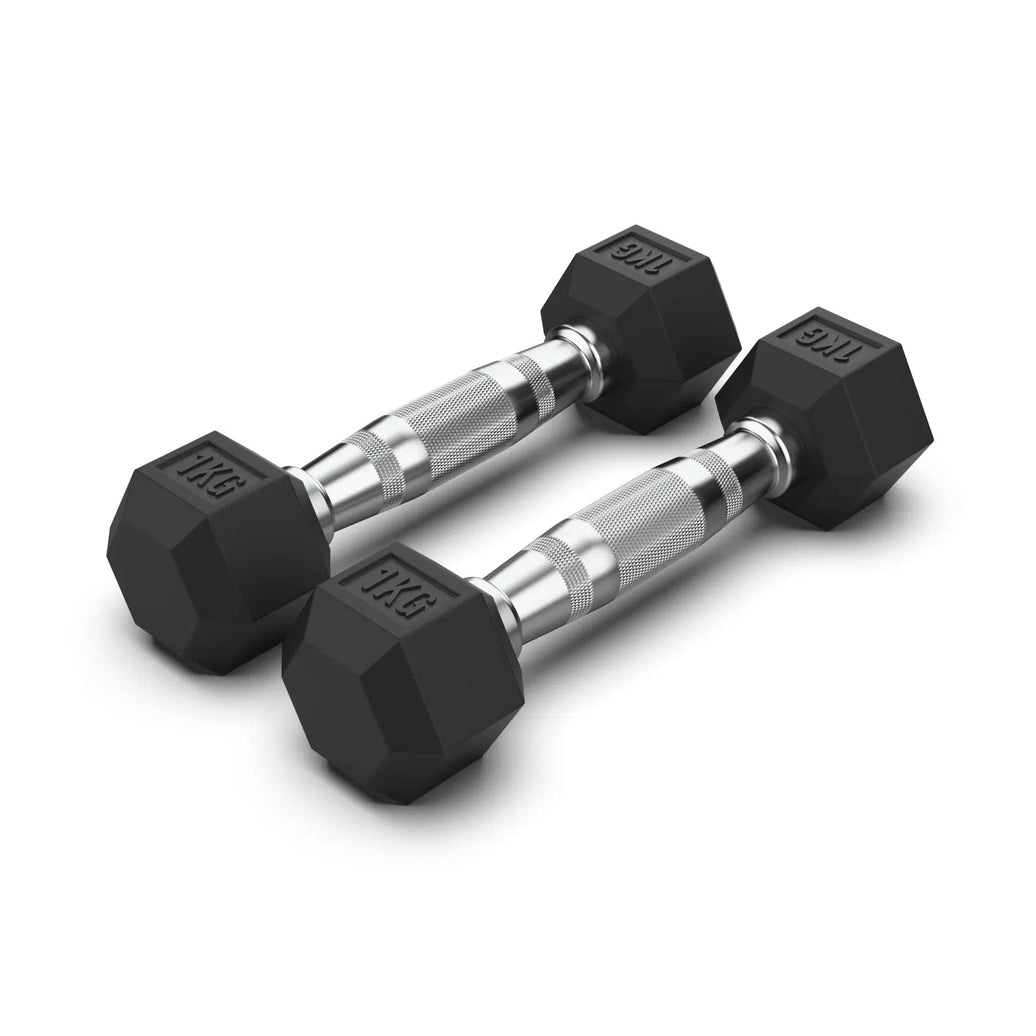
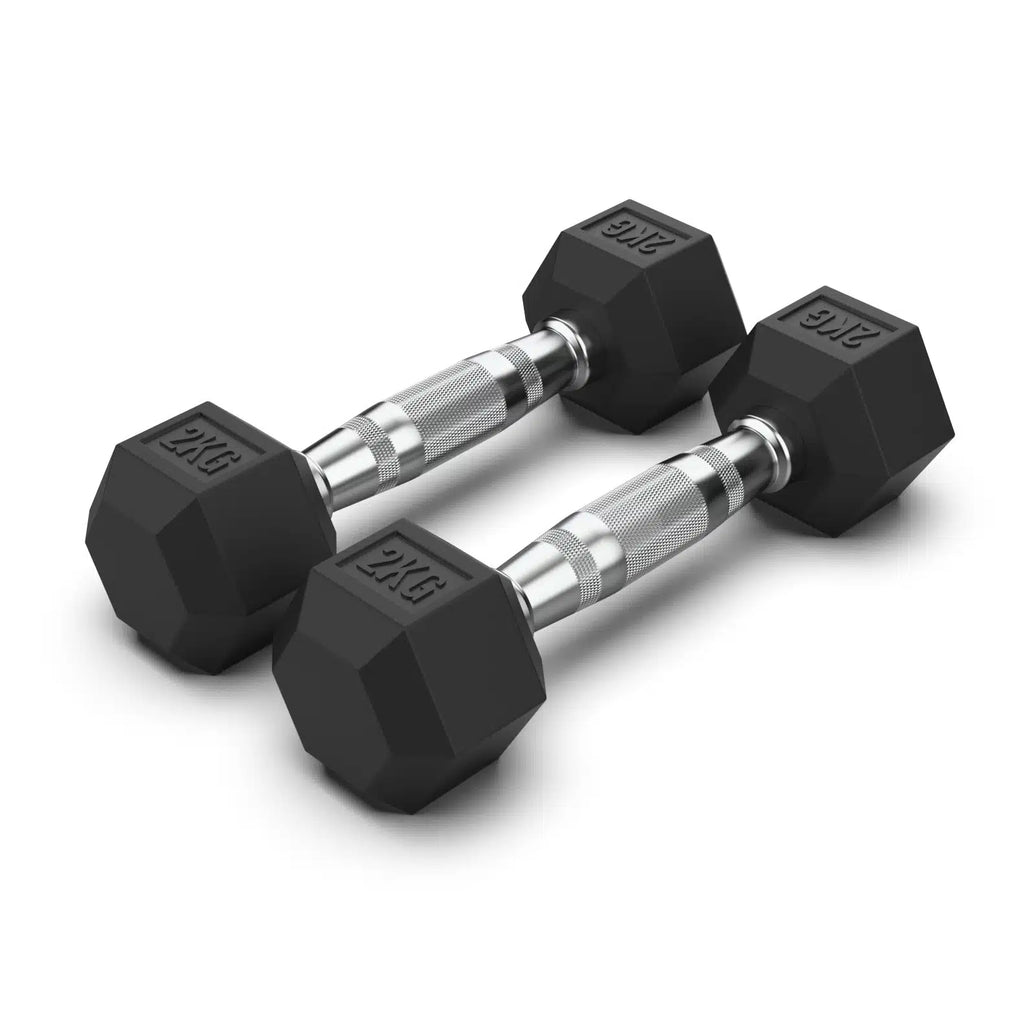
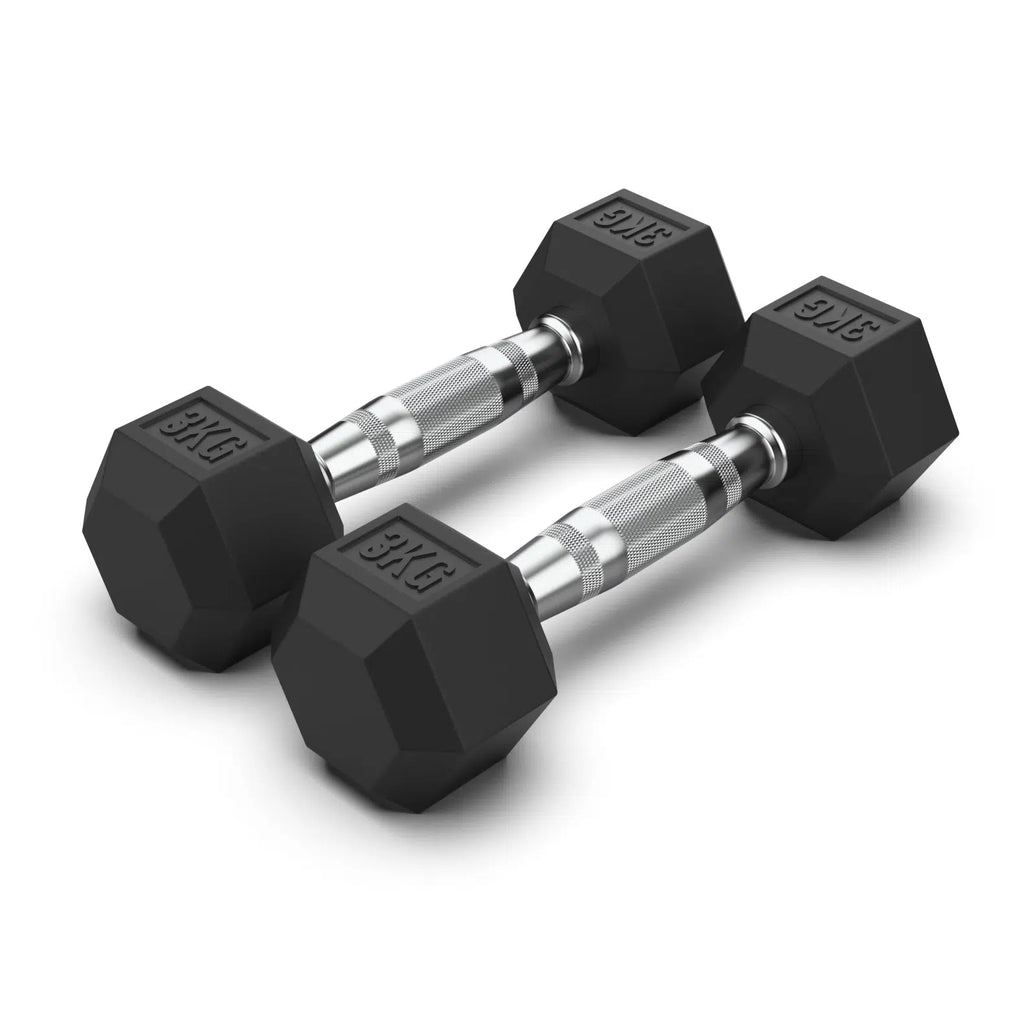
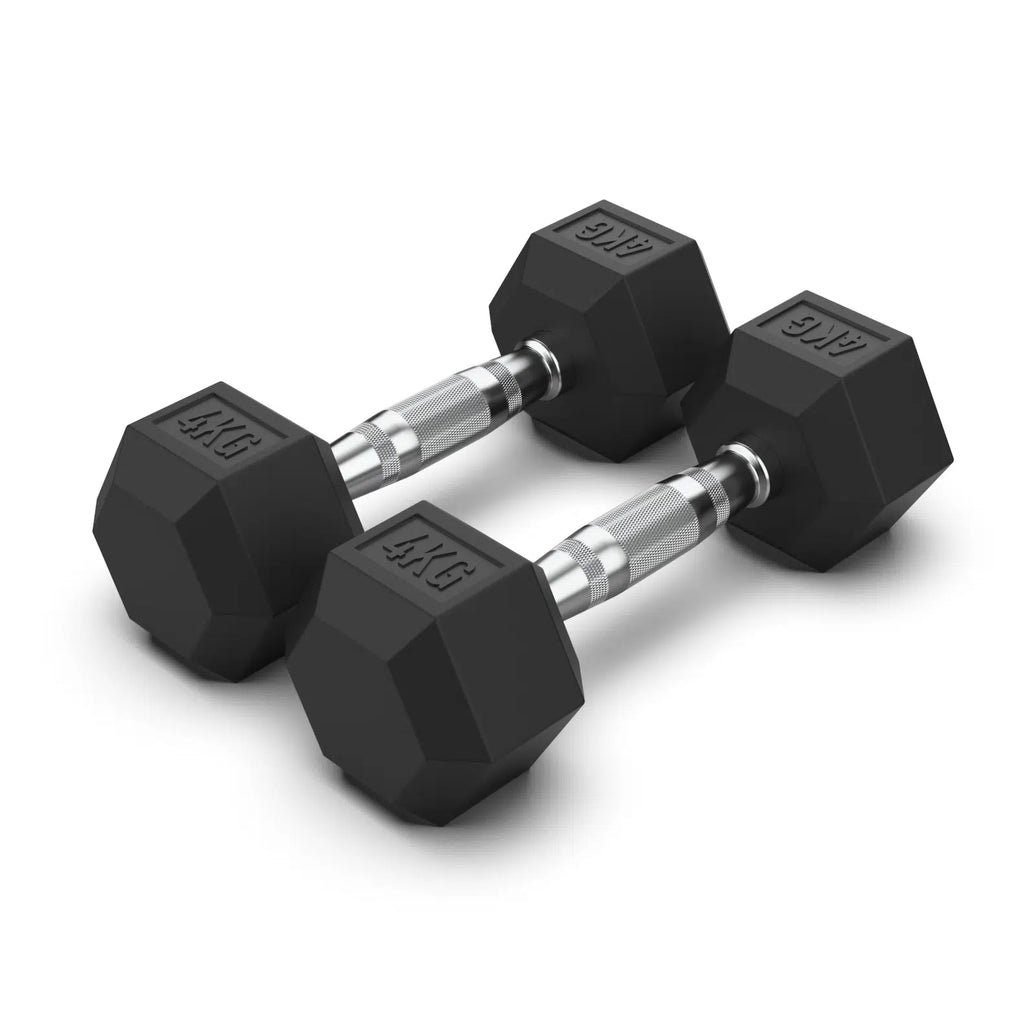
Start by comparing power and squat racks, Olympic barbells and hex dumbbells. These categories cover a large percentage of strength exercises without filling the room with single-purpose machines.
Plan for Queensland heat and humidity
Queensland conditions vary considerably. Brisbane and the Gold Coast can be hot and humid, while Cairns and Townsville experience a pronounced tropical wet season. Toowoomba is generally cooler because of its elevation, but an enclosed shed or garage can still become uncomfortable during summer.
Heat changes more than workout comfort. Sweaty hands and surfaces increase cleaning needs, humid air can encourage corrosion, and direct sunlight can age some rubber and upholstery materials. Check local conditions and seasonal patterns through the Bureau of Meteorology climate information when planning a new training area.
Good practical steps include:
- Provide cross-ventilation where possible and use fans to move air through the training zone.
- Keep equipment out of direct rain and away from doors where wind-driven water can enter.
- Wipe sweat from bars, benches and machine contact points after use.
- Inspect bolts, cables, pulleys and moving parts on a regular schedule.
- Use a dehumidifier in a persistently damp enclosed room if ventilation alone is not enough.
- Store small accessories off the floor so the area is easier to clean after dusty or wet weather.
If you operate a workplace or staffed facility, heat management should be part of your wider safety planning. WorkSafe Queensland provides guidance on heat stress.
Coastal locations need extra equipment care
Gold Coast, Sunshine Coast, Cairns, Townsville and other coastal locations can expose metal equipment to humid, salt-laden air. Even equipment kept indoors may need more frequent attention than it would in a dry, climate-controlled room.
Choose coated or well-finished frames, but remember that no finish removes the need for maintenance. Clean chalk and sweat from knurling, wipe exposed steel, address chips in coatings before corrosion spreads and avoid storing plates or bars directly on damp concrete. Purpose-built storage also reduces trip hazards and prevents equipment being left against wet walls.
For commercial gyms, keep a simple maintenance register. Record inspections, cleaning, cable condition, fastener checks and any repairs. A consistent five-minute check is more useful than waiting for equipment to feel loose or look damaged.
Measure the entire movement zone
Equipment dimensions tell only part of the story. A rack also needs room for a loaded bar, plate changes and safe entry and exit. A functional trainer needs space for cable travel. A rowing machine requires a long operating footprint, even if it stores compactly.
Before ordering, mark each footprint on the floor with painter’s tape. Then perform the movements you expect to do. Check overhead clearance for pull-ups and presses, side clearance for barbells, ceiling fans and garage-door tracks, and access to power points for powered equipment.
As a planning rule, divide the room into four zones:
- Strength zone: rack, bench, barbell and plates.
- Free-weight zone: dumbbells, kettlebells and enough space to move safely.
- Conditioning zone: cardio equipment or a clear lane for carries and sled work.
- Recovery and storage zone: bands, rollers, mats and organised accessory storage.
If floor space is tight, a functional trainer can add exercise variety without requiring several selectorised machines. Always compare its full operating dimensions, not just the frame width.
Do not treat flooring as an afterthought
Flooring protects the building, reduces noise, improves grip and creates a more stable surface. It also helps define the training area visually. Thin household mats may shift, compress or separate under heavy equipment, so select flooring designed for the intended load and activity.
Consider:
- The total weight of racks and machines
- Whether loaded barbells will be lowered or dropped
- Noise transfer to adjacent rooms or neighbours
- Moisture beneath the floor, especially in garages and sheds
- Cleaning access and drainage
- The transition height at doors and walkways
Explore the available gym flooring before finalising equipment placement. Installing flooring first is usually easier than unloading a complete gym and moving it again.
Choose cardio equipment by workout style
The best cardio machine is the one that suits the user, the room and the type of training. An air bike works well for short intervals and mixed-modality sessions. A rower or ski erg offers measurable, repeatable conditioning and can complement strength training. Treadmills are familiar and useful, but usually demand more floor space, power and maintenance planning.
Compare air bikes with rowers and ski ergs based on who will train, session length, noise, storage and preferred movement. For a small gym, one well-chosen machine used consistently is better than several machines that crowd the training floor.
Build a useful budget
Separate the budget into essentials, useful additions and future upgrades.
Essentials are the items required to train safely and effectively: flooring, the main strength equipment and suitable storage. Useful additions increase variety, such as cable attachments, adjustable dumbbells or a conditioning machine. Future upgrades may include speciality bars, extra storage or single-purpose machines.
Do not spend the entire budget on the most visible item. Allow for freight, installation, flooring, storage and basic maintenance supplies. Check the current sale equipment if you can stay flexible on model or category, but judge value by suitability and expected use rather than the discount alone.
Make recovery equipment easy to use
Mobility tools are most useful when they are visible and easy to reach. A mat, resistance band, foam roller and massage ball can support warm-ups and cooldowns without requiring much space. Create a small recovery corner rather than burying these items in a cupboard. Browse mobility equipment to round out the training area after the main equipment is covered.
A checklist for Brisbane, Gold Coast, Sunshine Coast, Cairns, Townsville and Toowoomba gyms
- Define the main training goal and number of users.
- Measure floor area, ceiling height, doorways and access paths.
- Map equipment footprints and movement clearances with tape.
- Plan ventilation, shade and hydration access.
- Choose flooring for the expected load and impact.
- Allow extra maintenance for humid and coastal environments.
- Include storage in the original layout.
- Confirm delivery access before ordering large or heavy equipment.
- Create a cleaning and inspection routine.
- Buy versatile essentials first, then upgrade after real use reveals what is missing.
Final thoughts
A successful Queensland gym is not the one with the most equipment. It is the one that makes training easy, keeps movement areas clear and uses equipment suited to the climate, space and goals of its users.
Whether you are fitting out a Brisbane garage, a Gold Coast studio, a Sunshine Coast home gym or a regional strength facility, plan the room as a complete system. Start with versatile equipment, protect the floor, organise storage and maintain metal and moving parts consistently. That approach produces a training space that is more useful on day one and easier to improve over time.